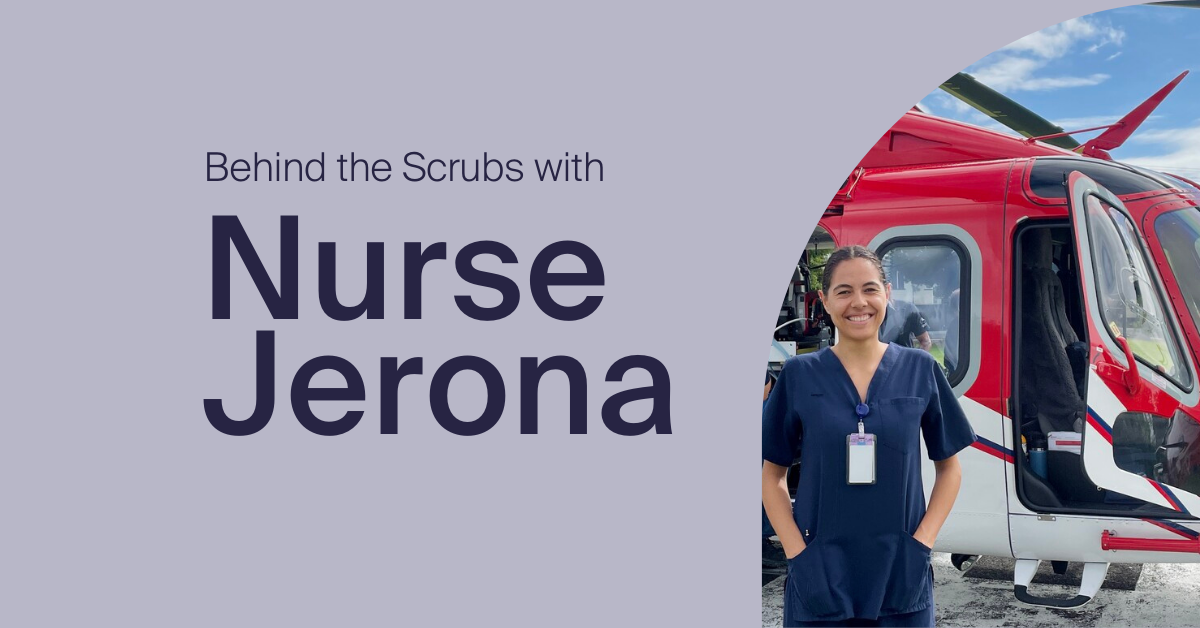


What Is a Remote Area Nurse in Australia?
4 mins read

At BluePrint Nursing, we connect nurses with meaningful opportunities across rural and remote Australia.
One of the most rewarding pathways we support is working as a Remote Area Nurse, often referred to as a RAN.
What Is a Remote Area Nurse?
A Remote Area Nurse is a Registered Nurse who delivers comprehensive primary health care services in rural and remote communities across Australia.
Remote health services play a critical role in delivering essential care to geographically isolated populations, particularly in areas classified as Remote or Very Remote under the Modified Monash Model (MMM).
In many locations, a RAN may be:
- The only clinician on site at certain times
- Part of a very small multidisciplinary team
- Working in partnership with Aboriginal and Torres Strait Islander Health Workers
Remote roles exist in:
- Aboriginal Community Controlled Health Services
- Government-run remote clinics
- Outback towns
- Remote islands
- Mining and resource communities
Unlike metropolitan hospital roles, Remote Area Nursing is grounded in community-based, primary health care and broad-scope practice.
What Does a Remote Area Nurse Do?
Remote Area Nurses work within a primary health care framework. In many communities, services are delivered in line with national standards set by the Australian Commission on Safety and Quality in Health Care and clinical governance requirements under state and territory health departments.
Because access to hospitals may be limited, RANs must be clinically versatile.
Typical responsibilities include:
- Primary health assessments and treatment
- Emergency response and stabilisation prior to retrieval
- Chronic disease management such as diabetes, cardiovascular disease and renal conditions
- Maternal and child health services
- Immunisation delivery in accordance with the National Immunisation Program
- Health promotion and preventative care initiatives
- Mental health assessment and support
- Medication management under remote area protocols
- Coordination with retrieval services such as the Royal Flying Doctor Service
Remote Area Nurses often work under clinical practice guidelines and standing orders specific to rural and remote health services in their state or territory.
The role requires independent clinical judgement, strong assessment skills and the ability to adapt quickly.
Is Remote Area Nursing the Same as Travel Nursing?
Not exactly.
Travel nursing refers broadly to short-term contract placements across different locations in Australia. Remote Area Nursing can be part of travel nursing, but it is more specialised.
The key differences:
- Broader scope of clinical practice
- Greater autonomy
- Often primary health care focused rather than hospital-based
- Community immersion rather than shift-based ward rotations
For nurses seeking deeper clinical variety and leadership responsibility, Remote Area Nursing offers a distinct experience.
Who Can Work as a Remote Area Nurse?
To practise as a Remote Area Nurse in Australia, you must meet regulatory requirements set by the Nursing and Midwifery Board of Australia (NMBA) and be registered through AHPRA.
Minimum requirements generally include:
- Current registration as a Registered Nurse with AHPRA
- Demonstrated clinical experience, typically in emergency, rural, or primary health settings
- Advanced life support certification
- Triage experience
- Immunisation accreditation where required
Many employers also look for:
- Experience in Aboriginal and Torres Strait Islander health contexts
- Cultural capability and awareness
- Ability to work independently
- Remote area clinical training or postgraduate rural health qualifications
Because remote health services operate within defined clinical governance frameworks, adherence to scope of practice and regulatory standards is essential.
Why Consider Remote Area Nursing?
Remote and very remote communities in Australia experience significant health workforce shortages. The Australian Government has long identified rural health workforce supply as a national priority.
Choosing to work as a Remote Area Nurse means contributing directly to improving healthcare access in areas where services are limited.
Key benefits include:
1. Broader Clinical Skills
You will build advanced assessment and decision-making capability faster than in many metro roles.
2. Professional Autonomy
Remote practice requires confidence and leadership.
3. Community Connection
RANs often become trusted, long-term figures within communities.
4. Unique Locations
From desert landscapes to tropical coastlines, you will experience parts of Australia few people ever see.
5. Flexible Contracts
Many remote placements operate on contract cycles, supporting work-life balance.
Working as a Remote Area Nurse With BluePrint Nursing
At BluePrint Nursing, we specialise in supporting nurses who want more than a standard ward role.
We:
- Match your clinical background to appropriate remote placements
- Support AHPRA compliance and documentation
- Coordinate travel and accommodation logistics
- Provide transparent payroll processes
- Stay connected with you throughout your contract
Remote Area Nursing is a professional shift into high-impact, community-led healthcare.
If you are ready to expand your clinical scope, build confidence, and contribute where you are truly needed, our team at BluePrint Nursing can guide you through the next step.